Mastering Precision: How Rotational Forming Shapes Modern Manufacturing
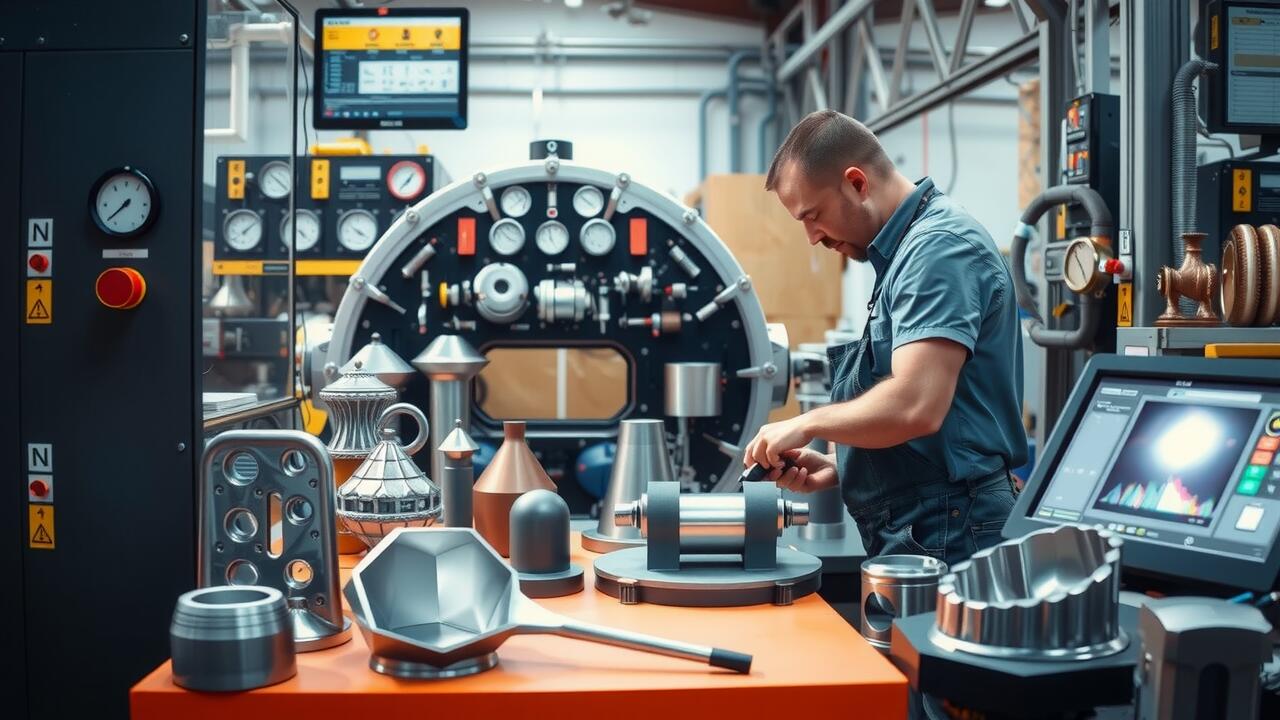
Precision Engineering in Rotational Forming
Rotational forming is a game-changer in precision engineering, enabling manufacturers to create complex and intricate shapes with astounding accuracy. This technique allows for the production of components ranging from simple to highly complicated geometries. The consistency achieved through this process is nothing short of remarkable. Engineers can achieve exact specifications, ensuring that each piece fits seamlessly into larger assemblies. This level of precision ultimately translates into higher quality products and reduced waste, making it a win-win for modern manufacturing.
The adaptability of rotational forming techniques for pros fuels its effectiveness in achieving tight tolerances. Unlike traditional methods, this process minimizes material fatigue and stress, which can lead to deviations in dimensions. By maintaining a uniform wall thickness and allowing for precise control over the forming process, manufacturers can produce items that meet stringent quality standards. Investing in advanced machinery further enhances this precision, paving the way for innovative and groundbreaking designs that were once thought impossible. The excitement surrounding rotational forming continues to grow as it revolutionizes the way industries approach manufacturing challenges.
Achieving Tight Tolerances in Manufacturing
Precision is the name of the game in rotational forming, especially when it comes to achieving tight tolerances. This technique offers incredible control, allowing manufacturers to create parts that fit together flawlessly. The machinery used in the process is equipped with advanced calibration and measurement systems. These systems ensure that every component not only meets but often exceeds industry standards.
The benefits extend far beyond just perfect fits. Tight tolerances enhance the overall quality and functionality of the final products, reducing the need for costly rework or adjustments. This level of accuracy can lead to increased efficiency in production lines and greater customer satisfaction. It’s thrilling to see how the intricacies of rotational forming elevate the manufacturing landscape, enabling companies to push the boundaries of innovation!
Comparing Rotational Forming with Other Techniques
Rotational forming is a game changer in the world of manufacturing, especially when stacked against traditional methods like stamping and casting. This technique excels in creating complex shapes with exceptional precision, a feat that often leaves other methods struggling to keep up. While stamping can be efficient for simpler designs, it may falter when intricate geometries are required. Casting, on the other hand, often suffers from issues like shrinkage and distortion during the cooling phase. In contrast, rotational forming maintains a consistent wall thickness and reduces waste, which translates to both cost savings and enhanced product quality.
What truly sets rotational forming apart is its versatility. The ability to use various materials—ranging from plastics to metals—opens up a world of possibilities for manufacturers. In industries like automotive and aerospace, where component reliability is crucial, the ability to maintain tight tolerances and create durable parts is revolutionary. The seamless integration of design and functionality achieved through rotational forming offers an edge that other techniques can't easily replicate. This innovative approach is not just about pushing boundaries; it's about redefining what’s possible in advanced manufacturing.
How It Stands Out from Stamping and Casting
Rotational forming showcases remarkable versatility that can outmatch traditional methods like stamping and casting. The process thrives on utilizing materials efficiently, minimizing waste while maintaining exceptional precision. Manufacturers can create complex shapes in a single continuous motion, which significantly cuts down on production time and costs. This seamless approach allows for quick adjustments and iterations during design, making it a favorite among innovative companies eager to push boundaries.
The differences in material application further highlight the advantages of rotational forming. Its ability to work with a wide range of materials, including metals, plastics, and composites, allows for a diverse array of products to emerge from a single technique. While stamping requires pre-formed sheets and casting often involves lengthy curing times, rotational forming can adapt to various thicknesses and dimensions seamlessly. The result is a manufacturing process that not only meets modern demands but also enhances creativity in product design.
Innovations Driving the Future of Rotational Forming
Recent advancements in technology are revolutionizing the way rotational forming is approached, opening doors to new possibilities that were previously unimaginable. Automation is paving the way for increased efficiency and precision, as robotic systems take on tasks traditionally done by human operators. This shift not only accelerates production rates but also minimizes the potential for errors, ensuring that the end products meet the most exacting standards. The use of data analytics and machine learning is also emerging, providing real-time insights into the manufacturing process that drive quality improvements and reduce waste.
3D printing is another game-changer in rotational forming. This innovative technology allows for rapid prototyping and the creation of complex shapes that would be difficult or impossible to achieve through conventional methods. Manufacturers can now test designs quickly and iterate on them with ease, greatly enhancing their product development cycles. Moreover, sustainable practices are being integrated into rotational forming processes, with the use of eco-friendly materials and energy-efficient machinery. These trends not only bolster competitiveness but also align with the growing emphasis on environmental responsibility in modern manufacturing.
Cutting-Edge Technologies to Watch
The landscape of rotational forming is rapidly evolving with some truly groundbreaking technologies making waves. Advanced computer numerical control (CNC milling) systems are leading the charge by enabling unprecedented precision and speed. Manufacturers can now leverage this technology to produce complex shapes and intricate designs that were once thought impossible. With the integration of real-time data analytics, companies are enhancing their ability to monitor processes, making adjustments on the fly for ultimate efficiency. This means fewer errors and higher-quality products, all while reducing waste—a win-win for both manufacturers and the environment!
Another exciting development comes from the world of materials science. Innovations in lightweight composite materials are reshaping how products are designed and manufactured. These materials not only reduce the overall weight of components but also offer exceptional strength and durability. As industries shift towards more sustainable practices, the incorporation of biodegradable and recyclable options is becoming more prevalent, ensuring that rotational forming stays at the forefront of eco-friendly manufacturing. This perfect blend of technology and sustainability is ushering in a new era, fostering creativity and pushing the boundaries of what rotational forming can achieve.
Case Studies of Successful Rotational Forming
The aerospace industry has embraced rotational forming with remarkable results. A leading aircraft manufacturer introduced rotor blades crafted through this innovative process. The precision and lightweight characteristics significantly reduced energy consumption while enhancing overall performance. Engineers celebrated the improved aerodynamic efficiency, leading to quieter flights and increased passenger comfort. Such advancements showcase how rotational forming not only meets the stringent requirements of aerospace applications but also dramatically transforms industry standards.
Another stellar example comes from the automotive sector, where a prominent company implemented rotational forming to create custom components for electric vehicles. This approach allowed for complex geometries that traditional methods struggled to achieve. As a result, the manufacturers noted a boost in production efficiency and a notable reduction in material waste. The ability to create lightweight yet durable parts is revolutionizing vehicle design, paving the way for the next generation of sustainable transportation solutions.
Real-World Examples of Transformative Impact
Imagine a company revamping its production line with rotational forming technology. A leading aerospace manufacturer adopted this technique to create complex components with unparalleled accuracy. The result was not just a reduction in material waste but also a significant increase in overall efficiency. This transformation allowed the manufacturer to streamline operations while maintaining the highest safety standards, showcasing how rotational forming can elevate industries to new heights.
In another thrilling example, an automotive firm embraced rotational forming for the production of lightweight vehicle parts. The ability to achieve intricate designs while keeping material usage minimal led to a notable enhancement in fuel efficiency. This innovation not only gave the brand a competitive edge but also captivated eco-conscious consumers. These compelling instances highlight the dynamic possibilities unleashed through the mastery of rotational forming, proving its profound impact across sectors.
FAQS
What is rotational forming, and why is it important in modern manufacturing?
Rotational forming is a manufacturing process that creates shapes by rotating a material, usually metal or plastic, around a fixed axis. It's important because it allows for the production of complex shapes with high precision and tight tolerances, making it a game-changer in industries like aerospace, automotive, and consumer goods!
How does rotational forming achieve tight tolerances?
Rotational forming achieves tight tolerances by utilizing advanced machinery that ensures uniform pressure and temperature control during the forming process. This precision is vital for creating parts that fit perfectly and function effectively, reducing waste and enhancing product quality.
What innovations are driving the future of rotational forming?
The future of rotational forming is being driven by cutting-edge technologies such as automation, artificial intelligence, and advanced materials. These innovations not only enhance efficiency and reduce costs but also open up new possibilities for design and customization in manufacturing!